Bilunderhåll innan försäljning handlar inte bara om mekaniskt skick. Det handlar om hur tydligt och ärligt bilen presenteras online. Autopix hjälper nordiska återförsäljare att förvandla väl förberedda bilar till listor som bygger förtroende, lockar klick och konverterar snabbare, även i utmanande ljus- och väderförhållanden.
Att sälja en bil i Norge, Sverige eller Danmark innebär att köpare förväntar sig transparens. De letar efter tecken på omsorg, konsistens och realism. I den här guiden förklaras bilunderhåll före försäljning ur en återförsäljares perspektiv och kopplar förberedelser, presentation och fotografering till ett praktiskt arbetsflöde.
I den här guiden lär du dig:
Bilunderhåll innan försäljning påverkar direkt hur köpare bedömer risk. På de nordiska marknaderna antar köpare ofta att synlig försummelse i foton återspeglar djupare mekaniska problem. En bil med ojämna däck, varningsljus eller slitna interiörer kan vara mekaniskt sund, men uppfattningen driver beteendet. Dålig förberedelse leder till färre klick, kortare listningsvisningar och mer prisfokuserade förfrågningar.
Korrekt underhåll före försäljning förbättrar köparens förtroende och ökar förfrågningskvaliteten.
För återförsäljare är detta viktigt eftersom de flesta köpbeslut börjar online. Om två liknande bilar prissätts noggrant väljer köpare den som ser bättre omhändertagen ut. Inte renare. Bättre underhållen. Underhåll signalerar tillförlitlighet. Fotografering förstärker eller undergräver sedan den signalen. Det är här förberedelser och bilder måste fungera tillsammans, inte som separata uppgifter. Detta överensstämmer med insikter som regelbundet delas i Nordisk fordonshandelstäckning, där presentationskvalitet upprepade gånger är kopplad till köparens förtroende och noteringsresultat.
👉 Bättre förberedelser förtjänar bättre presentation. Autopix hjälper återförsäljare att visa underhåll tydligt i varje lista.
Köpare läser sällan beskrivningar innan de skannar foton. De fem första bilderna sätter förväntningar. De letar efter tydlighet, konsistens och tecken på att återförsäljaren respekterar bilen. Ojämn belysning, röriga bakgrunder eller synlig försummelse minskar omedelbart förtroendet, oavsett körsträcka eller servicehistorik.
Köpare bedömer underhållskvalitet genom foton innan de läser tekniska detaljer.
I nordiska förhållanden är ljuset ofta platt eller mulet. Detta gör ytdetaljer mer synliga. Repor, slitna pedaler och fläckad klädsel sticker ut snabbare. Återförsäljare som förstår detta prioriterar förberedelser som fotograferar väl, inte bara förberedelser som klarar inspektion. Målet är inte perfektion. Det är ärlighet, konsistens och professionalism över hela inventeringen.
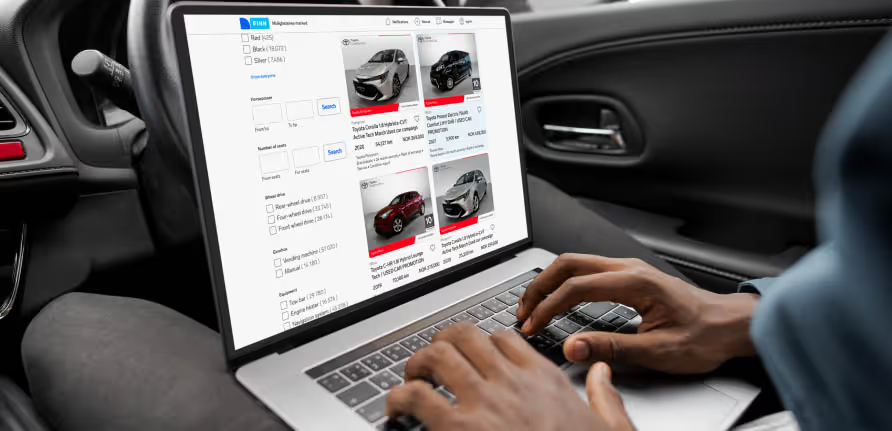
På plattformar som Finn.no marknadsplats för begagnade bilar Köpare bestämmer vanligtvis om de ska klicka, bläddra eller fråga baserat på de första bilderna i en lista.
Mekanisk förberedelse kräver inte fullständig rekonditionering. Det kräver synlig trygghet. Enkla åtgärder som oljebyte innan du säljer en bil, fylla på vätskor och rensa instrumentpanelvarningar minskar friktionen under köparkonversationer. Köpare förväntar sig slitage. De förväntar sig inte försummelse.
Ett oljebyte innan du säljer en bil signalerar ansvar och minskar köparens tvekan.
Grundläggande köparförväntningar kring underhåll och säkerhet formas av källor som Vägledning för underhåll av fordon från NAF, vilket påverkar hur begagnade bilar utvärderas i Norge.
Att dokumentera det senaste underhållet hjälper, men det visuella är fortfarande viktigt. Ett rent motorfack, intakta lock, och inga synliga läckor stöder historien. Återförsäljare som standardiserar dessa kontroller minskar fram och tillbaka och förkortar tiden till försäljning, särskilt på begagnade fordon i mellanklass där förtroende är viktigare än varumärke.
Interiören är känslomässig. Köpare föreställer sig sig inuti bilen. Slitna ratt, smutsiga skärmar och röriga hytter skapar avstånd. Inredningen bör fokusera på beröringspunkter snarare än djupa kosmetiska fixar.
Rena, konsekventa interiörer förbättrar upplevt värde mer än exteriörpolering.
Dammsug säten och mattor, rengör skärmar ordentligt och ta bort personliga föremål. Se till att säteslägena är neutrala och rattarna är raka. Dessa detaljer fotograferar tydligt och påverkar uppfattningen omedelbart. Konsekventa interiörbilder över lager stärker också varumärkets trovärdighet, särskilt för återförsäljare med flera platser.
Exteriör förberedelse måste ta hänsyn till väderverkligheten. Salt, slask och vägsmuts är vanliga på de nordiska marknaderna, men de bör inte visas i listor. En grundläggande tvätt, rena hjul och tydliga lampor räcker. Överpolering kan ibland slå tillbaka genom att göra mindre brister mer synliga i platt ljus.
Rena, mattbalanserade exteriörer fotograferar bättre i mulet nordiskt ljus.
Kontrollera däcktrycket och inriktningen visuellt. Ojämn hållning kan signalera försummelse även när däcken är säkra. Små detaljer som inriktade hjul och rena nummerskyltområden förbättrar fotosymmetrin, vilket direkt påverkar listningsprestanda på marknadsplatser.
Förberedelserna bör avslutas med fotografering i åtanke. Placera bilen där ljuset är förutsägbart. Undvik blandad belysning från gatlyktor och dagsljus. Inomhus eller täckta områden ger ofta mer konsekventa resultat under vintermånaderna.
Förberedelser för foton är en del av bilunderhållet innan du säljer.
Standardisera vinklar, avstånd och inramning. Detta minskar redigeringstiden och förbättrar den visuella konsistensen mellan listor. Återförsäljare som behandlar fotografering som en repeterbar process, inte en kreativ uppgift, uppnår snabbare vändning och starkare varumärkesigenkänning online.
Frågan: Mindre defekter ignoreras eftersom de verkar obetydliga.
Varför det skadar konverteringar: Köpare förstorar små problem när de ser dem online.
Fixet: Adressera eller tydligt visa dem konsekvent. Öppenhet skapar förtroende.
Liten Synliga frågor minskar förtroendet mer än dokumenterat slitage.
Frågan: Bilar förbereds olika beroende på tid eller personal.
Varför det skadar konverteringar: Inkonsekvens försvagar varumärkesuppfattningen.
Fixet: Använd en enkel checklista och standardfotoflöde.
Konsekvens över listor ökar köparens förtroende.
Frågan: Foton ser orealistiska eller alltför bearbetade ut.
Varför det skadar konverteringar: Köpare förväntar sig realism och noggrannhet.
Fixet: Standardisera redigeringar som förbättrar tydligheten utan att förändra verkligheten.
Naturliga, konsekventa redigeringar överträffa tung visuell manipulation.
Redigering bör stödja underhåll, inte maskera det. Justera ljusstyrkan, balansera ljuset och standardisera bakgrunder så att bilen förblir i fokus. Detta förbättrar skannbarheten på marknadsplatser där köpare jämför listor snabbt.
Redigeringen bör klargöra tillståndet, inte ändra det.
Automatisering hjälper när det tar bort repetitiva steg. Det ersätter inte bedömningen. Återförsäljare gynnas mest när redigering är förutsägbar och anpassad till hur bilar faktiskt förbereds. Detta minskar omarbetningen, påskyndar publiceringen och stöder konsekvent branding över platser och säsonger.
För djupare sammanhang, se Hur digitalt kvalitetsinnehåll ökar bilförsäljningen.
Verktyg ska matcha återförsäljarens verklighet. Tiden är begränsad. Villkoren varierar. Resultaten måste vara konsekventa. Autopix är designad för nordiska återförsäljare som behöver guidad fotografering, praktisk förbättring och kontrollerad bakgrundsanpassning utan komplexa inställningar.
Rätt verktyg stöder Konsistens, snabbhet och realism.
Autopix hjälper återförsäljare att standardisera foton mellan team och platser, vilket säkerställer att underhåll och förberedelser tydligt återspeglar dem online. Det fungerar som en praktisk förlängning av återförsäljarens arbetsflöde, inte en separat kreativ process. Läs mer om bästa bilfotoredigeringsapp för återförsäljare.
En checklista ser till att förberedelser och presentation håller sig i linje.