Autopix hjälper nordiska bilhandlare att skapa professionella bilfoton snabbare, med tydligare vägledning och konsekventa resultat i varje lista. Att få bästa kamerainställningen för bilfotografering handlar inte om dyra redskap. Det handlar om att förstå ljus, konsistens och hur köpare faktiskt skannar listor.
De flesta återförsäljare behöver inte bli fotografer. De behöver en repeterbar installation som fungerar i nordiska förhållanden, sparar tid och får varje bil att se pålitlig ut online. Den här guiden delar upp kamerainställningarna i praktiska steg som du kan tillämpa idag, oavsett om du fotograferar med en kamera eller en telefon.
I den här guiden lär du dig:
Bra bilbilder gör mer än att se snygga ut. De minskar osäkerheten. På de nordiska marknaderna jämför köpare ofta dussintals listor innan de tar kontakt. Om dina foton känns inkonsekventa, mörka eller oklara bläddrar köpare förbi. Det kostar klick, förfrågningar och tid på lager.
Bättre kamerainställningar ökar förtroendet, vilket ökar noteringsengagemanget.
Nordiska förhållanden gör detta viktigare. Mulen himmel, låg vintersol, snöreflektioner och fotografering inomhus är vanliga. De rätta kamerainställningarna hjälper dig att kontrollera dessa variabler istället för att bekämpa dem. När dina foton ser enhetliga ut i ditt lager ser din återförsäljare organiserad och professionell ut.
Om kamerainställningarna känns som gissningar, a bilfotoredigeringsapp som Autopix styr processen och standardiserar resultaten automatiskt.
Köpare analyserar inte foton tekniskt. De reagerar känslomässigt på några sekunder. Det första de märker är ljusstyrka och tydlighet. Mörka bilder känns riskabla. Hårda skuggor känns oprofessionella. Inkonsekventa vinklar tyder på rusad förberedelse.
Köpare prioriterar tydlighet, jämn belysning och konsistens framför konstnärliga effekter.
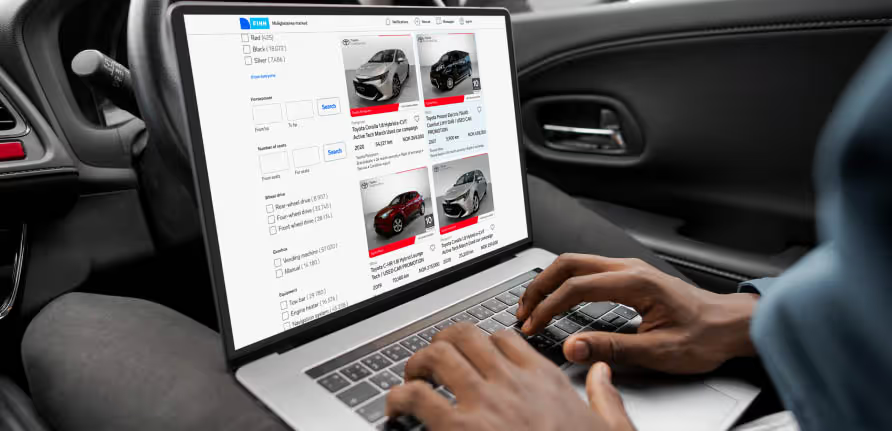
Nordiska köpare jämför ofta dussintals listor på plattformar som Finn.no, Blocket, och Bilbaser innan du kontaktar en återförsäljare. Listor med tydliga, jämnt upplysta foton är lättare att skanna och känner lägre risk, vilket direkt påverkar klickning och förfrågningar.
Utvändiga bilder ska tydligt visa hela bilens form. Interiörbilder ska kännas öppna och läsbara. Detaljerna ska vara skarpa utan att se överbehandlade ut. Dina kamerainställningar är grunden för allt detta. Redigering kan hjälpa, men dåliga inställningar skapar extra arbete senare.
Det här avsnittet fokuserar på inställningar som fungerar pålitligt för återförsäljare, inte studiofotografer. Dessa rekommendationer balanserar kvalitet, hastighet och repeterbarhet.
Dessa inställningar fungerar bra i dagsljus och mulna förhållanden som är vanliga i Norge, Sverige och Danmark. Om ljuset sjunker, öka slutartiden innan du höjer ISO. Korniga foton minskar upplevd kvalitet.
Många återförsäljare skjuter nu med telefoner, särskilt när hastigheten är viktig. Moderna telefoner hanterar automatiskt bländare, men principerna förblir desamma.
Telefoner hanterar exponering automatiskt, men belysning och vinklar spelar fortfarande roll.
När du använder en telefon:
Guidade verktyg som Autopix hjälper till att säkerställa korrekta vinklar, inramning och belysningskontroller innan du fotograferar.
Varför det skadar konverteringar: Mörka foton känns opålitliga och döljer detaljer.
Fixet: Sänk ISO först, sedan långsam slutartid. Använd endast redigering för att finjustera.
Varför det skadar konverteringar: Köparna kämpar för att jämföra bilar.
Fixet: Använd samma vinklar för varje fordon. Standardisering skapar förtroende.
Varför det skadar konverteringar: Distraherande bakgrunder minskar fokus på bilen.
Fixet: Använd konsekventa platser eller bakgrundsverktyg som standardiserar resultaten.
Konsistens säljer fler bilar än konstnärlig variation.
Redigering bör stödja dina foton, inte rädda dem. Målet är snabbhet och repeterbarhet.
Vad du ska justera manuellt:
Vad ska standardiseras:
Standardiserad redigering minskar tiden per listning och förbättrar varumärkesenhetligheten.
Autopix hjälper till att automatisera bakgrundsanpassning och bildoptimering, vilket är särskilt användbart när du fotograferar i miljöer med blandade återförsäljare. För bästa praxis för dimensionering, följ detta bildstorleksguide för bilfotografering.
Kamerainställningarna tar dig halvvägs. Resten är arbetsflöde. Många återförsäljare förlorar tid på att flytta foton mellan enheter, appar och mappar.
Autopix är byggt speciellt för nordiska återförsäljare som behöver snabbhet och kontroll. Det ger fotograferingsvägledning, automatisk förbättring och bakgrundsanpassning på ett ställe. Detta minskar manuella steg och håller dina listor visuellt konsekventa.
Rätt verktyg tar bort manuella beslut och skyddar visuell kvalitet.
Om du litar starkt på telefoner, den här guiden på hur man tar fantastiska bilder av din bil med din telefon kompletterar din installation väl.